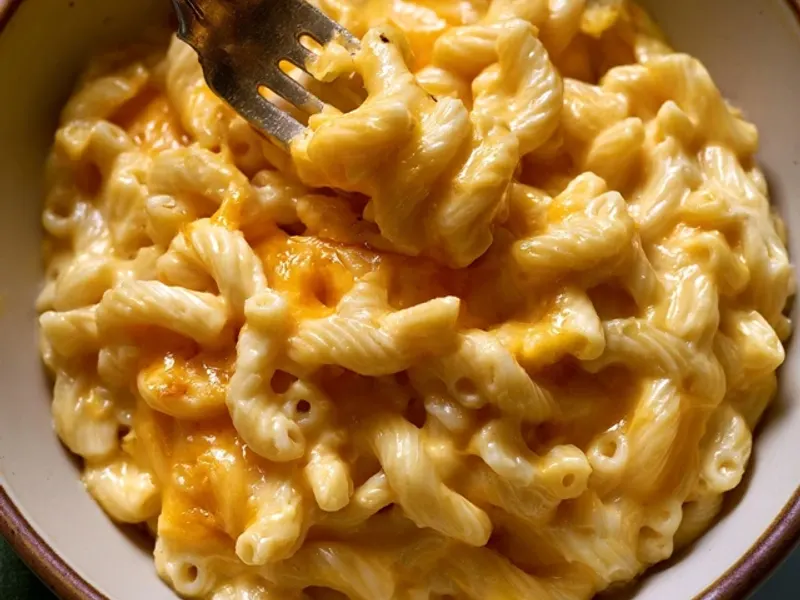
30-Minute Mac and Cheese for Camping
The first time I tried to make mac and cheese at a campsite, I ended up with a pot of sticky, scorched pasta and a packet of powdered cheese that never fully dissolved. The problem wasn't the recipe—it was the method. Boiling a big pot of water, draining it into the bushes, and then trying to make a roux over a sputtering camp stove is a recipe for frustration. But there's a better way. This 30-minute mac and cheese skips the draining entirely, uses the pasta's own starchy water to build a silky sauce, and comes together in one pot. It's the kind of dinner that makes you feel like you've got camping dialed in.

Why One-Pot Works on a Camp Stove
On a camp stove, you're working with a burner that's less powerful than your home range, and you often have to deal with wind. Draining pasta means lifting a heavy, boiling pot and pouring hot water—risky at a wobbly picnic table. By cooking the pasta in just enough water to be absorbed, you eliminate that step. The starch released from the pasta thickens the sauce naturally, so you don't need a separate flour-and-butter roux. That saves time, dishes, and cleanup. Plus, the sauce clings to the noodles better because it's not watered down.
Choosing the Right Pasta
Elbow macaroni is classic, but any small shape works—shells, cavatappi, or even broken spaghetti. Smaller shapes cook faster and more evenly in a shallow amount of water. Avoid huge tubes like ziti, which need more water to cook through. If you're at altitude (above 5,000 feet), water boils at a lower temperature, so pasta takes longer. Plan for an extra 2–3 minutes of simmering and keep an extra 1/2 cup of water on standby.
The Technique: Nail the Water-to-Pasta Ratio
The magic number is about 1.25 cups of water per cup of pasta. That's enough to hydrate the noodles fully, but not so much that you're left with a pot of cloudy liquid. Start with 2 cups of pasta and 2.5 cups of water. Add a pinch of salt to season the pasta from the inside out. Bring it to a boil, then drop the heat to a simmer. Stir every minute or so to keep the bottom from sticking. You'll see the water turn cloudy and thicken as the pasta releases starch—that's good. That's your sauce base.
When the pasta is al dente, there should be just a few tablespoons of starchy liquid left in the pot. If there's too much, let it simmer uncovered for another minute. If it's dry, add a splash of water. The pasta should look moist but not swimming.
Building a Creamy Sauce Without a Roux
Once the pasta is cooked, turn the heat to the lowest setting. Add a tablespoon of butter and stir until it melts. Then, add your cheese in small handfuls, stirring constantly. This is the key to a smooth sauce: if you dump in all the cheese at once, the heat can break the emulsion and you'll get a greasy mess. Add the cheddar first, then the mozzarella or American. The mozzarella or American adds extra creaminess because of its higher moisture and lower acidity. Freshly shredded cheese melts better than pre-shredded, which often contains anti-caking agents that can turn the sauce gritty.
Finally, pour in about a third of a cup of milk or evaporated milk. Evaporated milk is a camping secret—it doesn't curdle as easily as fresh milk, and it comes in small cans that don't need refrigeration until opened. Stir until the sauce is glossy and coats the back of a spoon. If it seems too thick, add another splash of milk. If it's too thin, let it cook for another minute, stirring, to reduce.
Camp Stove Heat Management
Wind is the enemy of a steady simmer. Use a windscreen on your camp stove (if it's allowed by the manufacturer) or position your stove so the wind is at your back. A low, even flame is better than a high one that scorches the bottom. If you're cooking on a fire, set the pot on a grill grate over medium coals, not over licking flames. Stir frequently, especially around the edges where the sauce can burn. Cast iron holds heat well but can also overdo it—lift the pot off the heat occasionally if you see the sauce bubbling too aggressively.
Adapting for Kids and Picky Eaters
This mac and cheese is a kid magnet on its own, but you can make it even more appealing. Stir in a few tablespoons of cream cheese or a slice of American cheese for extra creaminess. For a bit of color and nutrition, fold in a handful of frozen peas or diced cooked ham after the sauce is done—they'll warm through in a minute. If your kids are sensitive to sharp cheese, use mild cheddar or colby jack. And if you're feeding a crowd, double the recipe but use a larger pot and add 1/2 cup more water. The cook time stays about the same, but you'll need to stir more.
Common Mistakes to Avoid
The biggest mistake is walking away. On a camp stove, you have to stay close and stir often. Another pitfall is using pre-shredded cheese—it's convenient, but the coating can make your sauce grainy. Also, don't boil the pasta at a raging boil for the whole time; a simmer is gentler and prevents the pasta from breaking apart. Finally, resist the urge to add extra water if the pot looks dry—you want the pasta to absorb it. Trust the process.
Safety Notes for Camp Cooking
Always cook on a stable surface, away from tent walls and flammable gear. Never leave a lit stove unattended. If you're using a camp stove inside a tent or vestibule, you risk carbon monoxide poisoning—always cook outside. When you're done, let the pot cool completely before packing it. And remember, if you're cooking over a fire, keep a bucket of water or sand nearby, and make sure the fire is fully out before you leave the site. Also, store any leftover mac and cheese in a sealed container and place it in a cooler with ice. It'll keep for a day, but don't leave it out in the sun.
Takeaway
This 30-minute mac and cheese is more than a quick dinner—it's a technique that will make you look like a camp chef. No draining, no roux, just one pot and a handful of ingredients. The next time you're at the campsite, with the smell of pine and the sound of a crackling fire, you'll be stirring a pot of creamy, comforting pasta that comes together in the time it takes to set up your tent. And that's a win.
Frequently Asked Questions
Can I make 30-minute mac and cheese on a campfire?
Yes, but you need to manage heat carefully. Place the pot on a grill grate over medium coals, not open flames. Stir often to prevent scorching. If the wind is strong, use a windscreen or position a foil shield. The cook time is the same, but you must watch the heat closely.
What if I don't have a camp stove?
You can use a portable butane stove or a backpacking stove. For a backpacking stove, use a pot with a heat exchanger for better efficiency. If you're cooking over a fire, use a cast iron Dutch oven for even heat. Just keep the flame low and stir frequently.
How do I keep mac and cheese warm at the campsite?
Wrap the pot in a towel or a cozy (insulated pot holder) and place it in a cooler lined with a towel, but leave the lid slightly open to let steam escape. Or, keep it on a very low simmer, adding a splash of milk if it thickens. Never leave it unattended on a lit stove.
30-Minute Mac and Cheese for Camping

A creamy, one-pot mac and cheese made on a camp stove in 30 minutes, using the pasta-water starch for a silky sauce without draining.
- 2 cups elbow macaroni (or other small pasta)
- 2.5 cups water (plus more if needed)
- 1/2 tsp salt (plus more to taste)
- 1 tbsp butter
- 1 cup shredded sharp cheddar cheese (freshly shredded is best)
- 1/4 cup shredded mozzarella or American cheese (for creaminess)
- 1/3 cup whole milk or evaporated milk (evaporated milk won't curdle)
- 1/4 tsp garlic powder (optional)
- 1/8 tsp cayenne or paprika (optional for a kick)
- In a large pot (at least 3 quarts), combine the pasta, 2.5 cups water, and salt. Bring to a boil over high heat, then reduce to a simmer.
- Cook, stirring occasionally, until the pasta is al dente and most of the water is absorbed, about 10-12 minutes. If the water runs low before the pasta is done, add 1/4 cup more water at a time.
- Turn the heat to low. Add the butter and stir until melted.
- Sprinkle the shredded cheeses over the pasta, a handful at a time, stirring constantly until each addition is melted and smooth.
- Pour in the milk or evaporated milk, and stir continuously until the sauce is creamy and coats the pasta. Add garlic powder and cayenne if using. Taste and adjust salt.
- Remove from heat and let rest for 2 minutes. The sauce will thicken as it cools. Serve warm.
Recipe: 30-Minute Mac and Cheese for Camping
Ingredients
- 2 cups elbow macaroni (or other small pasta)
- 2.5 cups water (plus more if needed)
- 1/2 tsp salt (plus more to taste)
- 1 tbsp butter
- 1 cup shredded sharp cheddar cheese (freshly shredded is best)
- 1/4 cup shredded mozzarella or American cheese (for creaminess)
- 1/3 cup whole milk or evaporated milk (evaporated milk won't curdle)
- 1/4 tsp garlic powder (optional)
- 1/8 tsp cayenne or paprika (optional for a kick)
Instructions
- In a large pot (at least 3 quarts), combine the pasta, 2.5 cups water, and salt. Bring to a boil over high heat, then reduce to a simmer.
- Cook, stirring occasionally, until the pasta is al dente and most of the water is absorbed, about 10-12 minutes. If the water runs low before the pasta is done, add 1/4 cup more water at a time.
- Turn the heat to low. Add the butter and stir until melted.
- Sprinkle the shredded cheeses over the pasta, a handful at a time, stirring constantly until each addition is melted and smooth.
- Pour in the milk or evaporated milk, and stir continuously until the sauce is creamy and coats the pasta. Add garlic powder and cayenne if using. Taste and adjust salt.
- Remove from heat and let rest for 2 minutes. The sauce will thicken as it cools. Serve warm.