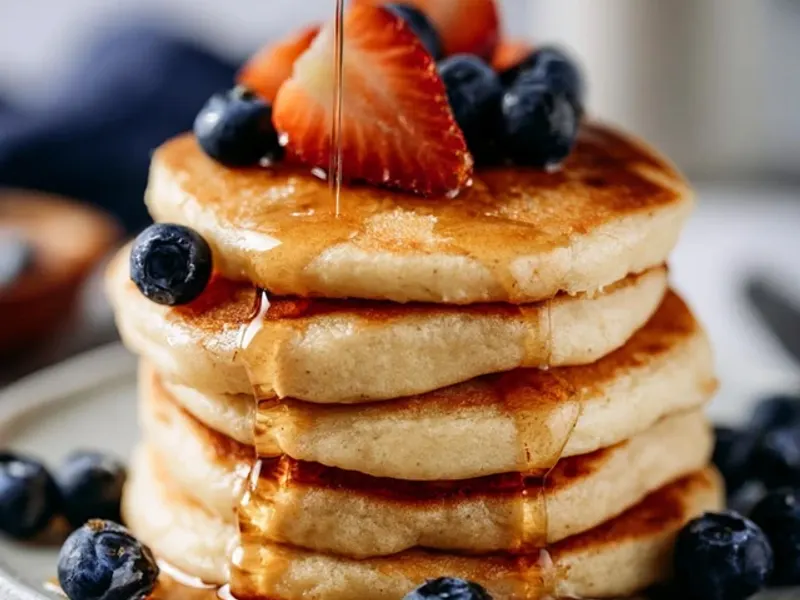
Autism-Friendly Camping Pancakes: Calm, Simple & Tasty
The first time I made pancakes at camp, the sizzle of the griddle startled me—and I wasn't the one with sensory sensitivities. For many autistic campers, the sounds, smells, and unpredictability of cooking outdoors can turn a simple breakfast into a challenge. But with a few deliberate choices, pancakes can become a calm, predictable morning ritual. Here's how to make them autism-friendly without sacrificing taste or simplicity.

Why Routine and Predictability Matter at Camp
Camping breaks routines. That's part of the adventure, but for a child or adult on the spectrum, the unfamiliar can be overwhelming. Breakfast is a good place to anchor the day. A familiar food—like pancakes—served the same way each morning provides a comforting constant. The key is to keep the process as close to home as possible while adapting to the campsite.
Start by setting up your cooking area the same way each time. Use the same bowl, whisk, and ladle. Lay out ingredients in the same order. If your child helps, let them do one simple step, like pouring the milk. This repetition builds confidence and reduces anxiety.
Choosing the Right Equipment for a Calm Cook
Loud, unpredictable tools can be a sensory minefield. A camp stove that hisses or a griddle that pops might be too much. Instead, use a quiet, steady heat source. A small butane or propane stove on low works well. Avoid open flames or anything that flares up.
Use a non-stick skillet or a cast iron griddle that's well-seasoned. A heavy pan holds heat evenly, so pancakes brown uniformly—no burnt spots or raw centers. That visual consistency matters. Also, bring a silicone spatula; it's quiet and won't scratch the pan.
If wind is an issue, set up a simple windbreak using a foldable screen or a large pot lid placed upright. This keeps the flame steady and reduces hissing. You can also cook in a sheltered spot, like the lee side of your tent or a picnic table.
The Recipe: Simple, Smooth, and Predictable
I'll give you the full recipe in the card below, but here's the philosophy: minimal ingredients, smooth texture, and mild flavor. Avoid whole wheat flour, which can be gritty. Use all-purpose flour and sift it if you can. This creates a silky batter that cooks into a soft, uniform pancake.
Skip strong spices like cinnamon or nutmeg. They can be overpowering. Instead, rely on a touch of sugar and a hint of vanilla (if your camper tolerates it). Keep the batter lump-free by whisking thoroughly—but don't overmix, or the pancakes will be tough.
One trick I've learned: let the batter rest for five minutes before cooking. This allows the flour to fully hydrate, resulting in a smoother, more consistent texture. It also gives you a moment to breathe and set up the table.
Adapting for Different Dietary Needs
Many autistic individuals have food sensitivities or follow specific diets. The good news is this recipe is flexible. For a gluten-free version, use a 1:1 gluten-free flour blend. For dairy-free, swap the milk for oat or rice milk and use oil instead of butter. For egg-free, omit the egg and add an extra tablespoon of milk or a flax egg (1 tablespoon ground flax mixed with 3 tablespoons water).
Test the adapted recipe at home before your trip. Camp is not the place for a first-time experiment. Knowing the pancakes will come out right—every time—is half the battle.
Toppings: Offer Choices, Not Surprises
The magic of this approach is letting each person control their toppings. Put small bowls of maple syrup, fresh blueberries, sliced banana, or a dollop of yogurt on the table. Let your camper choose what goes on—or nothing at all. The pancake itself is the safe base; the toppings are optional extras.
For a child who prefers plain foods, serve pancakes with just a pat of butter. For one who likes crunchy textures, offer a small dish of granola to sprinkle on top. The choice is theirs, which builds autonomy and reduces mealtime stress.
Managing the Camp Kitchen Environment
Beyond the food, think about the surroundings. A busy, noisy campsite can be distracting. Set up your cooking area away from the main footpath. Use a tablecloth in a calm color, perhaps your child's favorite. Keep utensils and ingredients in labeled containers—visual cues help with sequencing.
If your camper is sensitive to smell, cook outside rather than in a vestibule. The open air disperses odors quickly. Also, choose a fragrance-free dish soap and rinse your cookware well. Residual soap smells can linger and affect the taste of food.
Safety Notes for Camp Cooking
Always use your stove on a stable, level surface. Keep a fire extinguisher or a bucket of water nearby. Never leave the stove unattended, and make sure the flame is fully off after cooking. Store fuel canisters away from heat sources and out of reach of children.
If you're cooking near a tent, ensure proper ventilation—never use a stove inside a tent. Carbon monoxide is a real risk. Also, keep a first-aid kit handy for minor burns or scrapes.
Making It a Routine You'll Repeat
The best part of this approach is that it becomes a ritual. The same bowl, the same steps, the same gentle sizzle—it's a calm start to a day of adventure. After breakfast, you can pack up knowing you've set a positive tone.
Try this recipe on your next trip. Adjust it to your family's needs. And remember, the goal isn't a perfect stack of pancakes; it's a peaceful morning where everyone feels included and nourished.
Takeaway: With a smooth batter, quiet tools, and choice-based toppings, pancakes can be a comforting anchor in the unpredictable world of camping. Keep it simple, keep it consistent, and let your camper lead the way.
Frequently Asked Questions
Can I make the batter ahead of time?
Yes, you can mix the dry ingredients at home and store them in a labeled jar or bag. At camp, just add water or milk and whisk. This reduces morning steps and keeps the routine predictable.
What if my child only eats pancakes of a certain color or shape?
Use a small round ladle to keep pancakes uniform. For color, stick to plain flour (no whole wheat) to keep the golden color consistent. Avoid over-browning by cooking on medium-low heat and flipping early.
How do I keep pancakes warm without a microwave?
Place cooked pancakes on a plate, cover with a clean towel, and set the plate near (not on) the camp stove while you cook the rest. Or use a wide-mouth thermos to store them for up to an hour.
Autism-Friendly Camping Pancakes: Calm, Simple & Tasty

A simple, predictable pancake recipe that minimizes sensory surprises—smooth texture, mild flavor, and optional add-ins served on the side so each camper can choose.
- 1.5 cups all-purpose flour (sifted for smoother texture)
- 2 tablespoons sugar (optional, for mild sweetness)
- 2 teaspoons baking powder
- 0.5 teaspoon salt (fine sea salt)
- 1.25 cups milk (or water) (dairy or non-dairy)
- 1 large egg (beat lightly; omit for egg-free)
- 2 tablespoons melted butter or neutral oil (cooled)
- In a large bowl, whisk together flour, sugar, baking powder, and salt until well combined.
- In a separate bowl, whisk milk, egg, and melted butter (or oil) until smooth.
- Pour the wet ingredients into the dry ingredients. Stir gently with a spoon until just combined—lumps are okay, but for a smoother texture, whisk for 10 seconds more.
- Let the batter rest for 5 minutes. This helps the flour hydrate and makes fluffier pancakes.
- Heat a non-stick skillet or griddle over medium-low heat. Lightly grease with a small amount of oil or butter.
- Pour 1/4 cup of batter for each pancake. Cook until bubbles form on the surface and the edges look set, about 2-3 minutes.
- Flip and cook for another 1-2 minutes until golden brown and cooked through.
- Serve immediately, or keep warm under a towel. Offer toppings on the side so each person can choose what they like.
Recipe: Autism-Friendly Camping Pancakes: Calm, Simple & Tasty
Ingredients
- 1.5 cups all-purpose flour (sifted for smoother texture)
- 2 tablespoons sugar (optional, for mild sweetness)
- 2 teaspoons baking powder
- 0.5 teaspoon salt (fine sea salt)
- 1.25 cups milk (or water) (dairy or non-dairy)
- 1 large egg (beat lightly; omit for egg-free)
- 2 tablespoons melted butter or neutral oil (cooled)
Instructions
- In a large bowl, whisk together flour, sugar, baking powder, and salt until well combined.
- In a separate bowl, whisk milk, egg, and melted butter (or oil) until smooth.
- Pour the wet ingredients into the dry ingredients. Stir gently with a spoon until just combined—lumps are okay, but for a smoother texture, whisk for 10 seconds more.
- Let the batter rest for 5 minutes. This helps the flour hydrate and makes fluffier pancakes.
- Heat a non-stick skillet or griddle over medium-low heat. Lightly grease with a small amount of oil or butter.
- Pour 1/4 cup of batter for each pancake. Cook until bubbles form on the surface and the edges look set, about 2-3 minutes.
- Flip and cook for another 1-2 minutes until golden brown and cooked through.
- Serve immediately, or keep warm under a towel. Offer toppings on the side so each person can choose what they like.