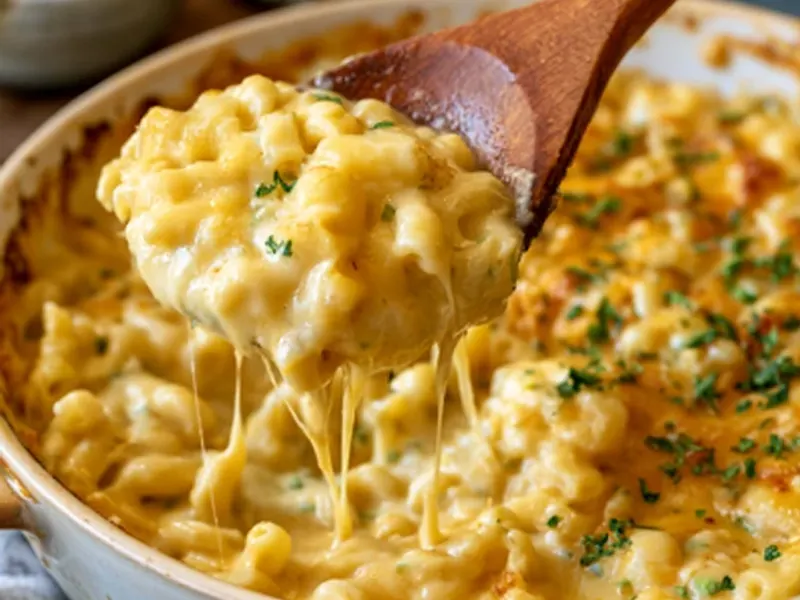
Autism-Friendly Mac and Cheese for Camping
The first time I made mac and cheese at a campsite, the wind was whipping the flame sideways and the cheese sauce clumped into rubbery blobs. That's when I realized: comfort food at camp needs a plan, especially if you're cooking for a child who thrives on routine and familiar textures. This autism-friendly mac and cheese is that plan. It's creamy, mild, and forgiving—no fancy roux, no spicy surprises. Just a warm bowl of something predictable, even when the weather isn't.

Why This Version Works at Camp
Traditional mac and cheese recipes often rely on a roux, which can be finicky over an open flame. This method skips the fuss by using a simple melt-and-stir sauce that comes together in minutes. The texture is smooth and uniform, which matters when certain food textures are a challenge. You control the salt, the cheese intensity, and even the shape of the pasta—elbows are classic, but shells or spirals might feel better in the mouth.
Another trick: cook the pasta in a separate pot from the sauce. This prevents the starch from thickening the sauce too much, which can make it gummy. And if you're cooking on a single-burner stove, you can boil the pasta first, drain it, and then use the same pot for the sauce—just wipe it out quickly with a paper towel.
Choosing the Right Ingredients
Keep the ingredient list short. You don't need a dozen cheeses. A good mild cheddar melts smoothly and has a familiar taste. If your child is sensitive to strong flavors, skip the garlic powder and salt—you can always add them to your own serving. For dairy-free or gluten-free needs, swap the butter for a plant-based margarine, the milk for unsweetened oat or rice milk, and the pasta for a gluten-free variety. Just be aware that gluten-free pasta may need less cooking time, so check the package.
One thing I always do is bring a small container of the same cheese brand we use at home. Familiarity is comforting. And if you can, pre-shred your cheese at home—pre-shredded bags often have anti-caking agents that can make the sauce grainy.
Campfire Cooking: Foil Packets or Pot?
You have two solid options. The first is a pot on a camp stove or grate—this gives you more control and is easier if you're making a big batch. The second is individual foil packets, which are great for serving and for keeping hands busy. To make foil packets, assemble each serving on a large sheet of heavy-duty aluminum foil, add a splash of milk, fold it into a tight packet, and place it on warm coals (not direct flames) for about 10 minutes, turning once. This method is perfect for kids who like having their own portion—no sharing, no surprises.
Whatever method you choose, keep the heat low and steady. High heat scorches the milk and makes the sauce separate. If you see the sauce starting to bubble too hard, pull it off the heat and stir in a tablespoon of milk to bring it back.
Making It a Sensory-Friendly Experience
Camping is full of new sensations—wind, birds, the crackle of a fire. Food should be a safe anchor. Serve the mac and cheese in a bowl that feels familiar, maybe one with a handle or a weighted bottom so it doesn't tip over. Let your child help stir the sauce if they want to, or just watch from a safe distance. The goal is participation, not perfection.
If your child is sensitive to strong smells, cook the sauce outside and away from the main seating area. The smell of cooked cheese can linger on clothes and gear, so keep a clean towel handy for wiping hands and faces.
Common Mistakes to Avoid
First, don't use cold milk directly from the cooler. Cold milk seizes the cheese and makes it clump. Warm it slightly before adding, or at least let it sit out for 15 minutes. Second, don't over-stir the pasta after combining—this breaks the noodles and turns the dish mushy. Fold gently. Third, if you're reheating leftovers, add a splash of milk to restore the creamy texture; dry mac and cheese is sad mac and cheese.
Safety Notes for Camp Cooking
Always cook on a stable surface away from tent walls and gear. If using a camp stove, ensure it's on level ground and never leave it unattended. When cooking over a campfire, keep a bucket of water nearby. And remember, never cook inside a tent—carbon monoxide from stoves or grills is deadly. Store your cheese and milk in a cooler at 40°F or below, and keep food sealed to avoid attracting wildlife.
The Takeaway
This mac and cheese isn't about gourmet flair. It's about giving a child something familiar and comforting when everything else about camping is new. With a little prep and a gentle hand, you can serve up a bowl of creamy, predictable goodness that makes the campsite feel a little more like home. And that's a win on any trip.
Frequently Asked Questions
Can I make this mac and cheese ahead of time?
Yes, you can cook and assemble the mac and cheese at home, then reheat it at camp. Store it in a sealed container in a cooler and reheat in a pot or foil packet over low heat, stirring often to avoid scorching.
What if my child prefers a smoother texture?
For a smoother sauce, blend the cooked pasta with the cheese sauce in a food processor or use a handheld blender until silky. You can also use a fine-mesh sieve to strain the sauce before mixing.
How do I keep the mac and cheese warm at camp without overcooking?
Wrap the pot in a towel or place it in a cooler lined with a hot water bottle. Alternatively, serve it directly from the foil packets—they hold heat well and keep each portion warm.
Autism-Friendly Mac and Cheese for Camping

This autism-friendly mac and cheese is creamy, mild, and customizable. It uses simple ingredients and can be cooked over a campfire or camp stove, with options for gluten-free and dairy-free versions.
- 2 cups elbow macaroni (or gluten-free pasta) (choose a shape your child likes)
- 2 tablespoons butter or dairy-free margarine
- 2 tablespoons all-purpose flour (or gluten-free flour blend)
- 1 cup milk (or unsweetened oat milk) (warm if possible)
- 1 cup shredded cheddar cheese (or dairy-free shreds) (mild cheddar works best)
- 1/4 teaspoon salt (optional)
- 1/4 teaspoon garlic powder (optional, omit for picky eaters)
- Boil a pot of water and cook the pasta according to package directions until al dente. Drain and set aside.
- In a separate pot or deep pan, melt the butter over medium heat. Stir in the flour and cook for 1 minute, stirring constantly.
- Slowly whisk in the milk, a little at a time, until smooth. Bring to a gentle simmer and cook for 2-3 minutes until thickened.
- Remove from heat and stir in the shredded cheese until fully melted. Add salt and garlic powder if using.
- Combine the cooked pasta with the cheese sauce, stirring to coat every piece.
- Serve warm. If cooking over a campfire, use a grate and keep the pot moving to avoid burning.
Recipe: Autism-Friendly Mac and Cheese for Camping
Ingredients
- 8 ounces elbow macaroni (or preferred shape)
- 2 tablespoons unsalted butter
- 2 tablespoons all-purpose flour
- 2 cups whole milk (or preferred milk)
- 1.5 cups mild cheddar cheese, shredded (or a cheese blend your family likes)
- 0.25 teaspoon salt (optional, adjust to taste)
- 0.25 teaspoon garlic powder (optional, omit if preferred)
Instructions
- Cook the macaroni in a pot of boiling water according to package directions until al dente. Drain and set aside.
- In the same pot, melt the butter over medium heat. Add the flour and whisk constantly for 1-2 minutes until it forms a smooth paste (this is a roux).
- Gradually pour in the milk while whisking, and continue to stir until the mixture thickens, about 3-5 minutes. It should coat the back of a spoon.
- Reduce heat to low. Add the shredded cheese a handful at a time, stirring until fully melted and smooth. Do not boil.
- Stir in salt and garlic powder if using. Taste and adjust seasonings gently—remember, the goal is mild and familiar.
- Add the cooked macaroni to the sauce and stir until every piece is coated. Serve warm, or transfer to a thermos for later.