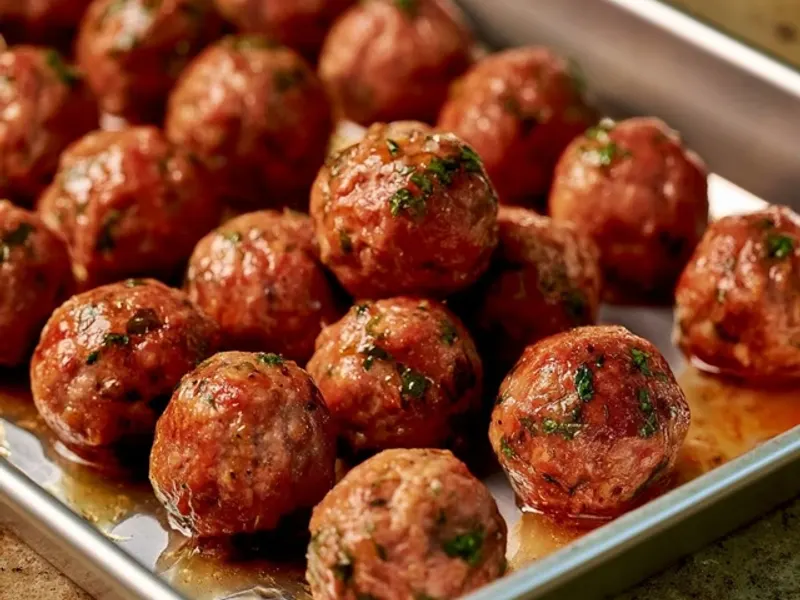
Autism-Friendly Mini Meatballs: Camping Comfort Food
The first time I made these mini meatballs, I was standing over a camp stove with rain tapping on the fly above me. The smell of garlic and onion powder mixed with wet pine—it was comforting in a way that felt like home. But the real magic was watching a little one, who usually turns away from anything with lumps or strong flavors, pick one up with a toothpick and take a bite. That's when I knew: these weren't just dinner. They were a bridge.

Camping with an autistic child (or anyone with sensory sensitivities) can feel like a high-wire act. New sounds, smells, and textures are everywhere. Food is often the trickiest part. So I started thinking about what makes a meal autism-friendly: mild flavor, predictable texture, and easy to eat without utensils if that's what's comfortable. These mini meatballs hit all those notes. They're small, soft, and forgiving—and they're just as good cold as they are hot, which is a lifesaver when routines go sideways.
Why These Meatballs Work for Camping
Most meatball recipes call for fresh garlic and onion, which can be sharp and overpowering. I use powders instead. They blend into the meat without leaving little chunks that might surprise a sensitive palate. The grated zucchini adds moisture and tenderness without changing the flavor—it's a trick I learned from trying to hide veggies in my own meals, and it works beautifully here.
The key is to keep the texture uniform. That means no big pieces of onion, no chewy bits of herb. Just a smooth, soft bite. I also skip any spicy sauces or glazes. A plain meatball is a blank canvas. Let the eater decide if they want ketchup, barbecue sauce, or nothing at all. That sense of control can make a huge difference.
Technique: Making Them at Home
These are best made before you leave. The stove at home gives you more control, and you can pack them ready to go. Start with finely ground meat—ask your butcher to grind it twice if you can. That extra pass makes a world of difference in smoothness.
Grate the zucchini on the fine side of a box grater, then squeeze out as much liquid as you can with your hands. This prevents the meatballs from becoming mushy. Mix everything gently. Overworking the meat makes it dense and rubbery—not what we want.
Roll them small, about one inch across. Mini size means they cook faster and are easier for little hands to pick up. A toothpick or a small fork works well, and I always pack a few colorful toothpicks in the camp kitchen box. They add a bit of fun without any extra sensory input.
At the Campsite: Reheating and Serving
If you have a camp stove, reheat the meatballs in a well-oiled skillet over low heat. Cover them with a lid to keep them moist. If the weather is warm and you're serving them as a snack, they're fine at room temperature—actually, many kids prefer that because there's no risk of a hot surprise.
For a no-cook option, bring a wide-mouth thermos. Preheat it with boiling water, dump the water, then add the hot meatballs and seal. They'll stay warm for hours. This is perfect for a day hike or a long car ride to the next campsite.
Adapting for Different Needs
Some kids are sensitive to the smell of cooking meat. If that's a concern, make the meatballs at home and reheat them quickly at the campsite—or serve them cold. The zucchini can be left out entirely if you're worried about green flecks showing. Just add an extra tablespoon of breadcrumbs to compensate.
For gluten-free diets, use gluten-free breadcrumbs or crushed rice crackers. For egg allergies, you can substitute a flax egg: one tablespoon of ground flaxseed mixed with three tablespoons of water, left to sit for five minutes. The texture will be slightly different but still tender.
If your child prefers very mild flavors, skip the salt and pepper entirely. The garlic and onion powders are already subtle. You can also add a tiny pinch of sugar to round out the flavor without making it sweet.
Common Mistakes to Avoid
Don't skip the squeezing step for the zucchini. Excess moisture will make the meatballs fall apart in the skillet. Also, don't crowd the pan. If you add too many at once, they'll steam instead of brown, and you'll lose that nice crust that holds them together.
Another mistake is making them too large. Bigger meatballs take longer to cook through, and the outside can burn before the inside is done. Stick to mini—it's the whole point.
Safety Notes for Camp Cooking
Always cook meat to a safe internal temperature. Use a food thermometer: 160°F for beef, 165°F for turkey. If you're reheating at the campsite, make sure they're steaming hot all the way through.
Keep raw meat separate from other foods in the cooler, and use a dedicated cutting board. Wash your hands well after handling raw meat, and never reuse a plate that held raw meat without washing it first.
When cooking on a camp stove, set it up on a stable, level surface away from tent walls and overhanging branches. Never use a stove inside a tent—carbon monoxide is a silent danger. And always have a fire extinguisher or a bucket of water nearby.
Packing and Storage
Cool the meatballs completely before packing. Store them in a sealed container in the cooler with a block of ice. They'll keep for two to three days. If you're camping longer, freeze them at home and let them thaw in the cooler—they'll act as an extra ice pack.
For a snack on the go, pack a few in a small silicone cup with a toothpick. It's mess-free and easy for little hands to manage.
The Takeaway
Autism-friendly mini meatballs are more than just a recipe—they're a way to make camping feel safe and enjoyable for everyone. By focusing on texture, temperature, and control, you create a meal that meets sensory needs without sacrificing flavor. And when a child can eat comfortably at the campsite, the whole trip opens up. That's worth the extra effort.
Frequently Asked Questions
Can I make these meatballs ahead of time?
Yes, absolutely. Cook them fully at home, cool them completely, and store them in a sealed container in the cooler. They'll stay good for 2-3 days. Reheat them in a skillet over low heat or serve at room temperature if that's preferred.
What if my child avoids certain textures?
Texture is a big deal for many autistic kids. Keep the meatballs smooth by blending the onion and garlic into a paste, and use finely ground meat. You can also skip the breadcrumbs or use a gluten-free option to change the mouthfeel. Offer dipping sauce on the side so they can control the moisture.
How do I keep meatballs warm at the campsite?
Use a wide-mouth thermos. Preheat it with boiling water for 5 minutes, dump the water, then add the hot meatballs and seal. They'll stay warm for hours without needing a stove. This is perfect for a no-fuss lunch or dinner.
Autism-Friendly Mini Meatballs: Camping Comfort Food

These autism-friendly mini meatballs are mild, tender, and easy to eat with a toothpick—perfect for camping. Made with simple ingredients and a smooth texture, they're a comforting, low-sensory-stress meal.
- 1 lb ground beef or turkey (finely ground for smoother texture)
- 1/2 cup finely grated zucchini (squeezed dry)
- 1/4 cup plain breadcrumbs (or gluten-free crumbs)
- 1 large egg (beaten)
- 1/2 tsp garlic powder (not fresh garlic for milder taste)
- 1/2 tsp onion powder
- 1/2 tsp salt (optional, reduce if preferred)
- 1/4 tsp black pepper (optional)
- 2 tbsp olive oil (for cooking)
- In a large bowl, combine the ground meat, grated zucchini, breadcrumbs, beaten egg, garlic powder, onion powder, salt, and pepper. Mix gently with your hands until just combined—overmixing makes meatballs tough.
- Roll the mixture into small, bite-sized balls, about 1 inch in diameter. Keep them uniform so they cook evenly.
- Heat the olive oil in a large skillet over medium heat. Add the mini meatballs in a single layer, leaving space between them.
- Cook for 8-10 minutes, turning occasionally, until browned on all sides and cooked through (internal temperature of 160°F for beef, 165°F for turkey).
- Remove from heat and let cool slightly before serving. For camping, cool completely and pack in a sealed container in the cooler.
Recipe: Autism-Friendly Mini Meatballs: Camping Comfort Food
Ingredients
- 1 lb ground beef or turkey (finely ground for smoother texture)
- 1/2 cup finely grated zucchini (squeezed dry)
- 1/4 cup plain breadcrumbs (or gluten-free crumbs)
- 1 large egg (beaten)
- 1/2 tsp garlic powder (not fresh garlic for milder taste)
- 1/2 tsp onion powder
- 1/2 tsp salt (optional, reduce if preferred)
- 1/4 tsp black pepper (optional)
- 2 tbsp olive oil (for cooking)
Instructions
- In a large bowl, combine the ground meat, grated zucchini, breadcrumbs, beaten egg, garlic powder, onion powder, salt, and pepper. Mix gently with your hands until just combined—overmixing makes meatballs tough.
- Roll the mixture into small, bite-sized balls, about 1 inch in diameter. Keep them uniform so they cook evenly.
- Heat the olive oil in a large skillet over medium heat. Add the mini meatballs in a single layer, leaving space between them.
- Cook for 8-10 minutes, turning occasionally, until browned on all sides and cooked through (internal temperature of 160°F for beef, 165°F for turkey).
- Remove from heat and let cool slightly before serving. For camping, cool completely and pack in a sealed container in the cooler.