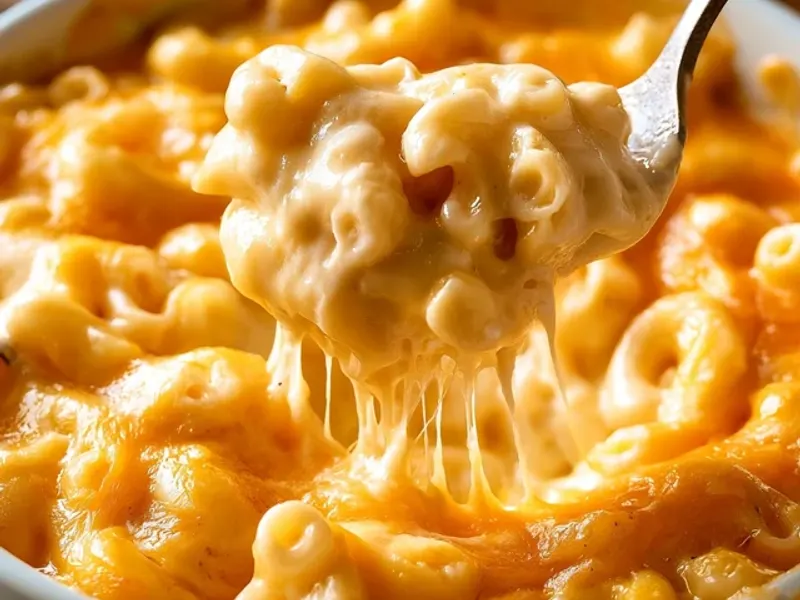
Easy Autism-Friendly Mac and Cheese for Camping
The first time I made mac and cheese at a campsite, the wind blew my stove flame sideways and the sauce turned into a grainy mess. My kid took one look and walked away. That's when I realized: for an autism-friendly camping meal, the food has to look and taste exactly like it does at home. No surprises. So I developed a method that's simple, reliable, and gentle on the senses.

Why Mac and Cheese Works for Camping
Mac and cheese is a familiar comfort food for many kids and adults on the spectrum. It's warm, soft, and predictable. But at a campsite, the variables change: wind, smoke, and unfamiliar cooking sounds can all affect appetite. The key is to control what you can—texture, temperature, and smell.
The biggest mistake I see is making a complicated cheese sauce with multiple steps and fancy ingredients. That's a recipe for stress. Instead, I use a simple roux-based sauce with just four ingredients: butter, flour, milk, and cheese. It's smooth, creamy, and tastes like the boxed version but with better texture.
Pre-Portioning: The Secret to Calm Cooking
Before you leave home, measure everything into separate containers or zip-top bags. Label each one. This does two things: it cuts down on cooking time (which means less hangry waiting) and it avoids mid-cooking decisions. When you're at camp, you just dump and stir.
For the cheese, shred it at home. Pre-shredded bags often have anti-caking agents that make the sauce gritty. Fresh shreds melt smoothly. If your child prefers a very mild flavor, use white cheddar or a mild colby jack. If they like a sharper taste, sharp cheddar works.
One-Pot Technique for Windy Days
Wind is the enemy of a good cheese sauce. It can blow out your stove or create uneven heat. Use a windscreen (if safe with your stove) or position your stove behind a cooler or a large rock. But never block the airflow completely—that's a carbon monoxide risk.
Here's the technique: cook the pasta first, drain it, and set it aside in a covered bowl. Then make the sauce in the same pot. This saves water and reduces cleanup. When you add the milk, do it slowly while whisking. If the wind is really strong, you can make the sauce at home and reheat it at camp. Just add a splash of milk to loosen it.
Texture Tips for Sensory Sensitivities
Some kids hate lumps in their mac and cheese. The roux method naturally produces a smooth sauce, but you can take it a step further: use an immersion blender to puree the sauce before adding the pasta. This guarantees a silky texture.
If your child prefers a thicker sauce, cook the roux a little longer. If they like it looser, add more milk. You can also stir in a spoonful of plain yogurt or cream cheese for extra creaminess. Just make sure whatever you add is familiar to them.
Keeping It Warm Without Overcooking
Once the mac and cheese is done, it's tempting to leave it on the stove to stay warm. But that can make it gluey. Instead, move the pot off the heat and wrap it in a clean towel or place it in an insulated bag. Stir occasionally to keep the sauce from forming a skin.
If you're serving in shifts, keep the pot covered and reheat gently with a little milk. The key is low and slow. High heat will break the sauce.
Add-Ins That Keep It Safe
Some kids love a little crunch, others hate it. I keep add-ins separate so everyone can choose. A small bowl of crushed crackers, a bit of cooked broccoli, or a sprinkle of paprika—all optional. But never mix them into the main pot unless you're sure everyone will eat them. That's a surefire way to ruin a good meal.
Adapting for Gluten-Free or Dairy-Free
Use gluten-free pasta and a gluten-free flour blend for the roux. For dairy-free, use a plant-based butter and milk, and a dairy-free cheese that melts well. Just be aware that dairy-free cheeses can behave differently—they may need a lower heat and more stirring. Test the recipe at home first so you know exactly what to expect at camp.
Cleaning Up Without the Stress
After a meal, the last thing you want is a sticky pot. Fill the pot with warm water and a drop of dish soap as soon as you're done eating. Let it soak while you relax. When you're ready to clean, a soft sponge will do the job. Avoid abrasive scrubbers that can scratch the pot and leave residue.
A Final Note on Safety
Always cook on a stable surface away from tent walls and sleeping areas. Keep a fire extinguisher or a bucket of water nearby. And never leave a stove unattended—especially with kids around.
This mac and cheese is more than a meal. It's a small piece of home that travels with you. When the sauce is smooth, the pasta is tender, and the taste is familiar, you've created a safe spot in the middle of the woods. That's worth the extra few minutes of prep.
Takeaway: Pre-measure, keep it simple, and let the familiar flavors do the heavy lifting. Your campsite table can be a place of comfort, one bowl at a time.
Frequently Asked Questions
Can I make this mac and cheese ahead of time for camping?
Yes. Cook the pasta and prepare the sauce at home, then cool and store them separately in the cooler. At camp, reheat in a pot with a splash of milk or water. This reduces cooking time and keeps the texture more predictable.
What if my child prefers a smooth, no-lump sauce?
Use a whisk and add the milk gradually while stirring constantly. For extra smoothness, blend the sauce with an immersion blender before adding the pasta. You can also use a powdered cheese mix and whisk it into hot milk for a lump-free result.
How do I keep the mac and cheese warm without overcooking it?
Once it's done, move the pot off the direct heat and wrap it in a towel or place it in a small insulated bag. Stir occasionally to prevent a skin from forming. If you need to reheat, add a little milk to restore creaminess.
Easy Autism-Friendly Mac and Cheese for Camping

A simple, creamy mac and cheese made with familiar ingredients and a smooth sauce—perfect for camping with sensory-sensitive eaters. It's cooked in one pot and can be customized with safe add-ins.
- 2 cups elbow macaroni (or other small pasta shape) (gluten-free if needed)
- 2 tablespoons butter or dairy-free margarine
- 2 tablespoons all-purpose flour (or gluten-free flour blend)
- 1.5 cups whole milk (or unsweetened non-dairy milk) (warm, for smoother sauce)
- 1.5 cups shredded cheddar cheese (or preferred cheese) (shredded fresh for even melting)
- 0.5 teaspoon salt (or to taste)
- 0.25 teaspoon ground mustard (optional) (adds subtle flavor)
- Bring a pot of salted water to a boil. Add the macaroni and cook according to package directions until al dente. Drain and set aside.
- In the same pot, melt the butter over medium heat. Add the flour and whisk constantly for 1 minute to make a roux.
- Slowly pour in the warm milk, whisking continuously to avoid lumps. Cook for 3-4 minutes until the sauce thickens enough to coat the back of a spoon.
- Reduce heat to low. Add the shredded cheese, salt, and ground mustard if using. Stir until the cheese is fully melted and the sauce is smooth.
- Add the cooked macaroni back into the pot and stir to coat evenly. Serve warm, or keep covered on low heat for up to 20 minutes.
Recipe: Easy Autism-Friendly Mac and Cheese for Camping
Ingredients
- 2 cups elbow macaroni (or other small pasta shape) (gluten-free if needed)
- 2 tablespoons butter or dairy-free margarine
- 2 tablespoons all-purpose flour (or gluten-free flour blend)
- 1.5 cups whole milk (or unsweetened non-dairy milk) (warm, for smoother sauce)
- 1.5 cups shredded cheddar cheese (or preferred cheese) (shredded fresh for even melting)
- 0.5 teaspoon salt (or to taste)
- 0.25 teaspoon ground mustard (optional) (adds subtle flavor)
Instructions
- Bring a pot of salted water to a boil. Add the macaroni and cook according to package directions until al dente. Drain and set aside.
- In the same pot, melt the butter over medium heat. Add the flour and whisk constantly for 1 minute to make a roux.
- Slowly pour in the warm milk, whisking continuously to avoid lumps. Cook for 3-4 minutes until the sauce thickens enough to coat the back of a spoon.
- Reduce heat to low. Add the shredded cheese, salt, and ground mustard if using. Stir until the cheese is fully melted and the sauce is smooth.
- Add the cooked macaroni back into the pot and stir to coat evenly. Serve warm, or keep covered on low heat for up to 20 minutes.