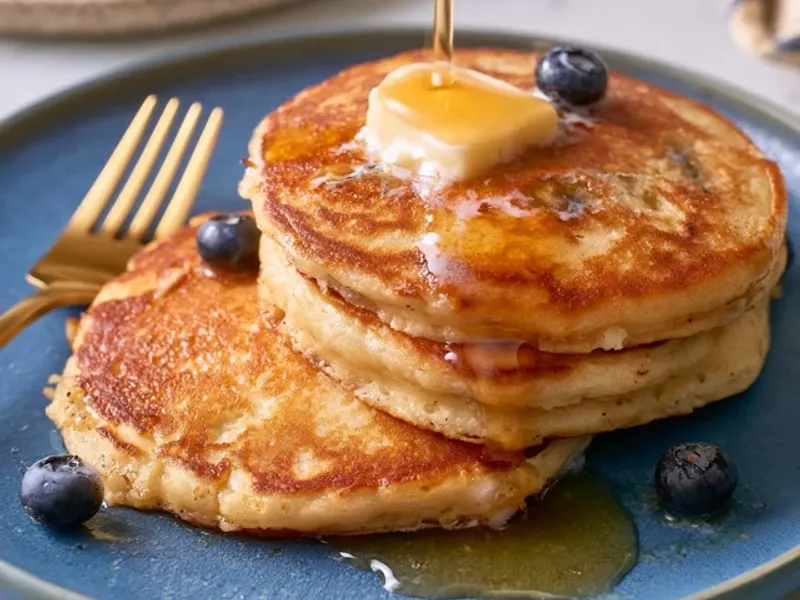
Easy Autism-Friendly Pancakes for Camping
The first time I made pancakes on a camp stove, the batter splattered and the first one came out lopsided. My son, who thrives on predictability, pushed his plate away before even tasting it. That's when I realized: for many autistic kids (and adults), breakfast at a campsite isn't just about food—it's about routine, texture, and sensory input. The good news is that with a few simple adjustments, you can make pancakes that are easy, gentle on the senses, and actually enjoyable.

Why Pancakes Can Be Tricky for Sensory Sensitivities
Pancakes are a breakfast staple, but they can be a minefield of sensory triggers. The sizzle of batter hitting a hot pan, the smell of butter browning, the uneven browning that makes each piece look different—all of these can be overwhelming. The solution isn't to avoid pancakes; it's to make them more predictable. That means using a reliable recipe, a consistent cooking method, and a calm setup.
The Core Recipe: Simple and Predictable
This recipe uses basic ingredients you likely already have. The key is to measure carefully and mix gently. Overmixing makes pancakes tough and creates a rubbery texture that many sensory-sensitive eaters dislike. I've also found that letting the batter rest for five minutes before cooking gives a softer, more uniform crumb.
For a gluten-free version, use a 1:1 blend and let the batter rest a bit longer. For a dairy-free version, swap the milk for oat or almond milk and use a neutral oil instead of butter. The taste is slightly different, but the texture stays close to the original.
Mixing Without Overdoing It
Use a whisk to combine the dry ingredients, then switch to a spatula for the wet. Stop as soon as you see no dry flour. Lumps are okay—they'll smooth out during the rest. If your child is particular about texture, you can sift the flour and baking powder together, but that's optional.
Cooking at the Campsite: Keep It Calm and Even
Heat control is everything. On a camp stove, medium heat is usually enough. If the pan gets too hot, the outside will brown before the inside cooks, leading to a raw center—another texture issue. If it's too cool, the pancakes spread too thin and become crispy. I always do a test pancake first, about 2 inches wide, to check the heat. Then I adjust.
Use a 1/4-cup measure to pour the batter. That gives uniform size, which means uniform cooking time. It also makes the stack look neat and predictable—a small visual comfort.
Dealing with Wind and Uneven Heat
Wind can wreak havoc on a camp stove flame. Set up your cooking area with a windbreak, like a cooler or a large pot, but keep it at least a foot away from the flame. If the flame flickers, move the pan slightly to find a steady spot. For a campfire, use a grate that sits level over the coals, not the flames. Coals give a more even heat than firewood.
Reducing Sensory Overload During Cooking
The smell of cooking oil or butter can be intense in the open air. Use a neutral oil like canola or sunflower, which has a milder aroma. If your child is sensitive to the sizzle, place the pan on the stove before lighting it, then pour the batter in gently. You can also pre-cook the pancakes at home and reheat them in a skillet with a splash of water and a lid—this creates steam and keeps them soft without re-frying.
Let your child help with the parts they enjoy: measuring dry ingredients, pouring the batter, or flipping (with supervision). Giving them a role in the process can make the meal feel more predictable and less intimidating.
Toppings and Add-Ins: Keep It Simple
Some kids love a burst of blueberries; others prefer plain. I've found that offering a small bowl of toppings on the side—blueberries, sliced banana, a drizzle of maple syrup—lets them choose without overwhelming the pancake itself. If your child is sensitive to sticky textures, serve syrup in a small cup for dipping rather than pouring it over the stack.
Safety Notes for Cooking at Camp
Always cook on a stable surface away from tent walls and flammable gear. Never leave a stove unattended, and keep a small fire extinguisher or a bucket of water nearby. After cooking, allow the stove to cool completely before packing it away. If you're using a campfire, make sure the flames are fully extinguished before you leave the site.
Takeaway
Autism-friendly pancakes aren't about fancy ingredients or complicated techniques. They're about consistency, gentle flavors, and a calm cooking process. With this recipe and a few mindful adjustments, you can turn a potentially stressful breakfast into a comforting ritual that everyone looks forward to—even at a campsite.
Frequently Asked Questions
Can I make these pancakes gluten-free?
Yes, swap the all-purpose flour for a 1:1 gluten-free flour blend. The texture may be slightly more crumbly, so let the batter rest for 5 minutes before cooking to let the flours hydrate.
How do I keep pancakes warm without drying them out?
Place cooked pancakes on a plate and cover with a clean kitchen towel. If you need to hold them longer, set the plate over a pot of barely simmering water—not directly on the flame—and check every few minutes.
What if my child is sensitive to the smell of cooking?
Cook outside on a camp stove or over a small fire, and position yourself downwind from your seating area. Use a neutral oil like canola, which has a milder scent than butter. You can also pre-cook the pancakes at home and reheat them in a skillet with a splash of water and a lid.
Easy Autism-Friendly Pancakes for Camping

A simple, predictable pancake recipe designed for camping with autistic children or anyone who prefers a calm, sensory-friendly breakfast. Uses basic ingredients and a clear method to produce consistently soft, lightly sweet pancakes.
- 1.5 cups all-purpose flour (or 1:1 gluten-free blend)
- 2 tablespoons sugar (optional, for a touch of sweetness)
- 1 tablespoon baking powder (aluminum-free if possible)
- 1/4 teaspoon salt
- 1.25 cups milk (dairy or non-dairy)
- 1 large egg (room temperature)
- 2 tablespoons melted butter or neutral oil (cooled)
- 1 teaspoon vanilla extract (optional)
- In a large bowl, whisk together the flour, sugar, baking powder, and salt.
- In a separate bowl, beat the egg, then add the milk, melted butter or oil, and vanilla. Whisk until combined.
- Pour the wet ingredients into the dry ingredients. Stir gently with a spatula until just moistened. A few small lumps are fine—do not overmix.
- Let the batter rest for 5 minutes while you heat your pan or griddle over medium heat.
- Lightly grease the pan with a thin layer of oil or butter. Pour 1/4 cup of batter for each pancake, leaving space between them.
- Cook until bubbles form on the surface and the edges look set, about 2-3 minutes. Flip and cook for another 1-2 minutes until golden brown.
- Keep cooked pancakes on a plate under a clean towel. Serve warm with syrup, fruit, or a favorite topping.
Recipe: Easy Autism-Friendly Pancakes for Camping
Ingredients
- 1.5 cups all-purpose flour (or 1:1 gluten-free blend)
- 2 tablespoons sugar (optional, for a touch of sweetness)
- 1 tablespoon baking powder (aluminum-free if possible)
- 1/4 teaspoon salt
- 1.25 cups milk (dairy or non-dairy)
- 1 large egg (room temperature)
- 2 tablespoons melted butter or neutral oil (cooled)
- 1 teaspoon vanilla extract (optional)
Instructions
- In a large bowl, whisk together the flour, sugar, baking powder, and salt.
- In a separate bowl, beat the egg, then add the milk, melted butter or oil, and vanilla. Whisk until combined.
- Pour the wet ingredients into the dry ingredients. Stir gently with a spatula until just moistened. A few small lumps are fine—do not overmix.
- Let the batter rest for 5 minutes while you heat your pan or griddle over medium heat.
- Lightly grease the pan with a thin layer of oil or butter. Pour 1/4 cup of batter for each pancake, leaving space between them.
- Cook until bubbles form on the surface and the edges look set, about 2-3 minutes. Flip and cook for another 1-2 minutes until golden brown.
- Keep cooked pancakes on a plate under a clean towel. Serve warm with syrup, fruit, or a favorite topping.