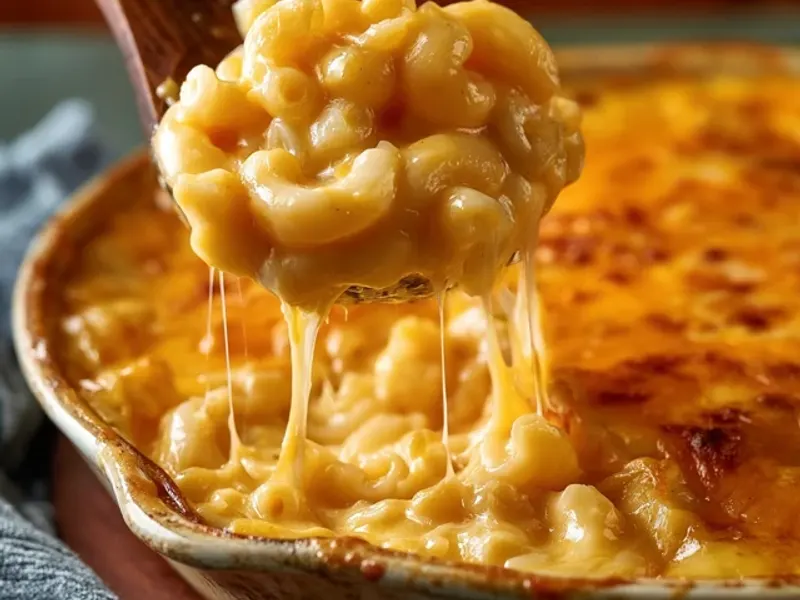
Fussy Eater Mac and Cheese: Camping Recipe That Wins
The rain had just stopped, and the smell of wet pine filled the air. I was hunched over a sputtering camp stove, stirring a pot of what looked like orange glue. My nephew, age seven, peered over the edge and wrinkled his nose. 'That's not mac and cheese,' he said. It was a fair critique. It was lumpy, pale, and sad. That's when I realized: feeding a fussy eater at camp isn't about fancy recipes. It's about technique.

After years of trial and error (and a lot of powdered cheese), I've cracked the code. The secret isn't a secret ingredient—it's a method. It's about building a sauce that's silky, not goopy. It's about using the right cheese, the right heat, and the right order of operations. And it's about making it look like the mac and cheese they know from home, not some campfire experiment.
The One Trick That Wins Over Fussy Eaters
Here's the trick: Use a roux, not just cheese melted into milk. Most camp recipes skip this step, but a roux—a cooked mixture of butter and flour—creates a stable, creamy sauce that won't separate or turn gritty. That's the texture fussy eaters expect. It's the difference between a sauce that clings to the pasta and a sauce that pools at the bottom of the bowl.
I always make the roux first, even before boiling the pasta. That way, the sauce is ready to go when the noodles are done. It takes two extra minutes, and it's worth every second.
Why a Roux Works Better at Camp
Camp stoves are notorious for hot spots. A roux thickens at a lower temperature than a direct cheese melt, so it's more forgiving. It also means you can use less cheese—which is great for a picky palate that might be overwhelmed by a super sharp cheddar. I use a mix of sharp cheddar and mozzarella. The cheddar gives flavor, the mozzarella gives that stretchy, familiar pull.
Picking the Right Pasta for Picky Eaters
Shape matters more than you'd think. Elbows are the classic, but any small shape works. I've found that fun shapes—like shells, wheels, or even alphabet pasta—can turn a meal from 'yuck' to 'yum' without changing the recipe. Pack a bag of whatever shape your kid loves. It's a tiny thing that makes a big difference.
Also, don't overcook the pasta. Mushy noodles are a dealbreaker for many fussy eaters. Aim for al dente—firm to the bite but not crunchy. Remember, it will continue to cook slightly in the sauce, so pull it off the heat a minute early.
Camp Stove Setup for Perfect Mac and Cheese
Your stove setup can make or break this dish. I use a two-burner camp stove, but a single burner works fine. The key is to control the heat. I always bring a diffuser—a thin metal plate that sits between the burner and the pot. It prevents scorching, which is the #1 cause of burnt-tasting mac and cheese. If you don't have a diffuser, just keep the flame low and stir constantly.
Another tip: use a heavy-bottomed pot. It distributes heat more evenly than a thin aluminum one. I use a 3-quart cast iron Dutch oven, but a sturdy stainless steel pot works too. Avoid nonstick that scratches easily—you'll need to stir with a metal spoon if you forget your wooden one.
Adapting for Wind, Rain, and Cold
Camp cooking always comes with weather variables. If it's windy, set up a windbreak—a piece of aluminum foil wrapped around the base of the stove works wonders. If it's raining, cook under your tarp or awning, but never inside your tent. The steam and heat can be dangerous, and the smell lingers.
In cold weather, cheese can seize up. To prevent that, keep the sauce over low heat and add a splash of milk if it starts to thicken too much. Also, warm your bowls before serving—cold bowls will cool the mac and cheese fast, making it less appealing.
Packing for Fussy Eater Success
The night before, I pre-measure the dry ingredients into small containers. I use a small plastic container for the flour and spices, and a separate one for the shredded cheese. I keep the cheese in a zip-top bag with a piece of paper towel to absorb moisture—it prevents clumping.
For milk, I use powdered milk. It's lightweight and never spoils. I mix it with water right at the stove. It tastes just as good in a sauce, and it's one less thing to keep cold.
One more thing: bring a small whisk. A fork works in a pinch, but a whisk makes a smoother sauce with less effort. It's a tiny tool that earns its space in the camp kitchen.
Common Mistakes to Avoid
I've made every mistake in the book, so you don't have to. Here's what to avoid:
- Adding cheese to boiling milk: It will curdle. Always turn the heat down first.
- Skipping the salt in the pasta water: It flavors the pasta from the inside out. Don't skip it.
- Letting the sauce sit too long: It will thicken as it cools. If you need to hold it, keep it on a very low flame and stir every minute.
- Using pre-shredded cheese: It has anti-caking agents that prevent smooth melting. Shred your own from a block—it's worth the extra effort.
Making It Your Own
Once you've mastered the basic sauce, you can adapt it. For a bit of green, stir in some cooked peas or broccoli—but only if your fussy eater tolerates it. For a protein boost, add some diced ham or cooked chicken. I've found that serving the add-ins on the side lets the picky eater choose what goes in, which increases the chances they'll actually eat it.
If you're camping with kids who are extra sensitive to textures, consider blending the sauce until smooth before adding the pasta. A hand blender works great. It makes the sauce velvety and hides any lumps that might have formed.
Safety Note
Always cook on a stable surface, away from tent walls. Never leave a lit stove unattended, and keep a fire extinguisher or bucket of water nearby. When you're done, make sure the stove is completely cool before packing it away. And remember, never cook inside your tent—carbon monoxide is a silent killer. Set up your kitchen in a well-ventilated area, even if it's raining.
The Takeaway
Fussy eater mac and cheese doesn't have to be a battle. With a roux, the right pasta shape, and a little patience, you can make a camp dinner that even the pickiest eater will finish. The best part? You'll probably love it too. So next time you're packing for a trip, add a block of cheddar and a whisk. You've got this.
Frequently Asked Questions
How do I make mac and cheese creamy at camp without a stove?
Use a thermos or insulated food jar. Boil the pasta at home, mix with the cheese sauce, and pack it hot. It stays warm for hours and avoids the need to cook at the campsite. This is a lifesaver for fussy eaters who want something familiar.
Can I use a boxed mac and cheese mix for camping?
Absolutely. Boxed mixes are lightweight and easy. The key is to add a little extra butter and milk (or powdered milk) to keep it creamy, and to stir constantly on a low flame to avoid scorching. For fussy eaters, use a fun-shaped pasta to make it more appealing.
How do I keep mac and cheese warm for a picky eater at the campsite?
Wrap the pot in a towel or use a thermal cooker. If you're serving right away, keep it on a low simmer but stir often. For a picnic-style meal, a thermos works wonders. Just remember to preheat the thermos with hot water before adding the mac and cheese.
Fussy Eater Mac and Cheese: Camping Recipe That Wins

A creamy, one-pot mac and cheese made on a camp stove, with a secret ingredient that makes it irresistible to fussy eaters.
- 2 cups elbow macaroni (or other small pasta) (about 8 oz)
- 2 tablespoons butter
- 2 tablespoons all-purpose flour
- 1 cup whole milk (or 1/2 cup powdered milk mixed with 1 cup water)
- 1 cup shredded sharp cheddar cheese (plus extra for topping)
- 1/2 cup shredded mozzarella cheese (optional for extra creaminess)
- 1/4 teaspoon garlic powder
- 1/4 teaspoon mustard powder (optional but adds depth)
- 1/2 teaspoon salt (or to taste)
- 1/4 teaspoon black pepper (optional)
- Boil the pasta in a large pot of salted water until al dente. Drain and set aside.
- In the same pot, melt the butter over medium heat. Add the flour and stir constantly for 1 minute to make a roux.
- Slowly whisk in the milk, ensuring no lumps. Continue stirring until the sauce thickens, about 3-4 minutes.
- Turn the heat to low. Add the shredded cheeses, garlic powder, mustard powder, salt, and pepper. Stir until the cheese is fully melted and the sauce is smooth.
- Add the cooked pasta back into the pot. Stir to coat every piece with the creamy sauce.
- If you like a crispy top, sprinkle extra cheese over the top and cover the pot for 2 minutes to let it melt.
- Serve immediately, or keep warm on a very low flame, stirring occasionally to prevent sticking.
Recipe: Fussy Eater Mac and Cheese: Camping Recipe That Wins
Ingredients
- 2 cups elbow macaroni (or other small pasta) (about 8 oz)
- 2 tablespoons butter
- 2 tablespoons all-purpose flour
- 1 cup whole milk (or 1/2 cup powdered milk mixed with 1 cup water)
- 1 cup shredded sharp cheddar cheese (plus extra for topping)
- 1/2 cup shredded mozzarella cheese (optional for extra creaminess)
- 1/4 teaspoon garlic powder
- 1/4 teaspoon mustard powder (optional but adds depth)
- 1/2 teaspoon salt (or to taste)
- 1/4 teaspoon black pepper (optional)
Instructions
- Boil the pasta in a large pot of salted water until al dente. Drain and set aside.
- In the same pot, melt the butter over medium heat. Add the flour and stir constantly for 1 minute to make a roux.
- Slowly whisk in the milk, ensuring no lumps. Continue stirring until the sauce thickens, about 3-4 minutes.
- Turn the heat to low. Add the shredded cheeses, garlic powder, mustard powder, salt, and pepper. Stir until the cheese is fully melted and the sauce is smooth.
- Add the cooked pasta back into the pot. Stir to coat every piece with the creamy sauce.
- If you like a crispy top, sprinkle extra cheese over the top and cover the pot for 2 minutes to let it melt.
- Serve immediately, or keep warm on a very low flame, stirring occasionally to prevent sticking.