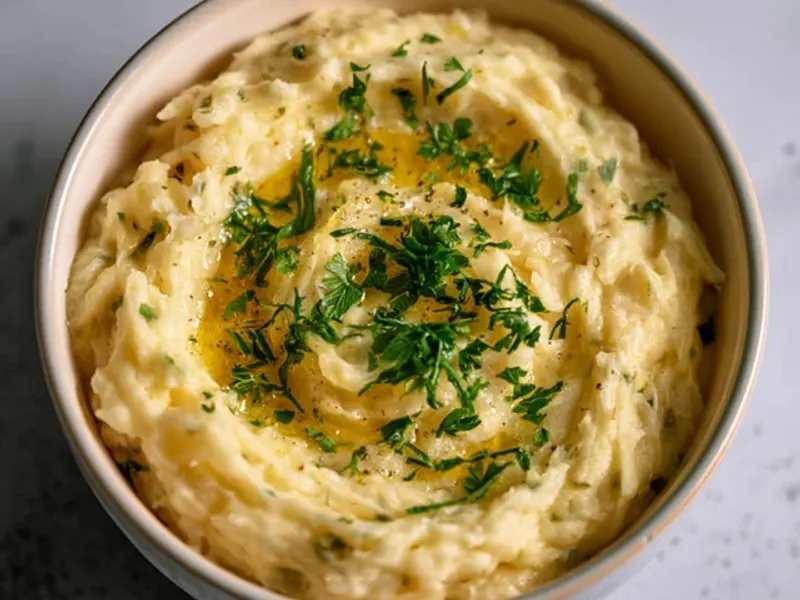
Mild Mashed Potatoes for Campfire Comfort
There's something about the smell of potatoes cooking over an open flame that makes the whole campsite feel like home. The first time I made mashed potatoes on a camping trip, I used a flimsy pot and ended up with a lumpy, burnt-bottomed mess that stuck to the pan like glue. Since then, I've refined my method, and now I can whip up a batch of mild, creamy mashed potatoes that even the pickiest little campers will eat without complaint.

Mild mashed potatoes are the blank canvas of camp cuisine. They're comforting, easy to digest, and pair with everything from grilled sausages to a simple can of beans. The key is to keep the flavor gentle—no sharp garlic or overpowering herbs—just butter, a little milk, and a touch of salt. Here's how to get them right, whether you're cooking over a fire or on a two-burner stove.
Why Mild Works for Camping
When you're tired from hiking or chasing kids around the campground, you don't want a side dish that demands attention. Mild mashed potatoes are forgiving. They don't need exotic spices, and they're easy to adjust for different tastes—add a bit of cheese for the adults, or leave it plain for the little ones. Plus, they're a great base for leftovers: fold in some canned corn, crumbled bacon, or shredded cheese to make them a meal in themselves.
The Right Pot and Heat Source
First, choose a pot that's heavy enough to distribute heat evenly. A cast iron Dutch oven is ideal, but a thick-bottomed stainless steel pot works too. Avoid thin aluminum pots—they create hot spots that scorch the potatoes before they're cooked through. If you're cooking over a campfire, set up a grate that sits about 4–6 inches above the coals, not directly over the flames. You want a steady, medium heat, not a raging fire.
For camp stove users, set the burner to medium-low after the water boils. The potatoes should simmer gently, not boil violently. A rolling boil can break them apart, making them waterlogged and gluey.
Step-by-Step: The Boil-and-Mash Method
Start by peeling and cutting your potatoes into even 1-inch chunks. This is the most important step for even cooking. If some pieces are larger, they'll be hard in the middle while others turn to mush. Rinse the chunks in cold water to remove excess starch, then place them in your pot and cover with cold water by about an inch.
Add a generous pinch of salt—about a tablespoon for a 2-pound bag. This seasons the potatoes from the inside out, which is the secret to flavorful mash without needing extra salt at the end. Bring to a boil, then reduce to a simmer. Cook for 15–20 minutes, or until a fork slides in with no resistance. Test a few pieces, not just the one on top.
Drain the potatoes thoroughly. This is where many campers go wrong—they skip the drying step. Let the potatoes sit in the colander for a few minutes, shaking occasionally, so excess water evaporates. Waterlogged potatoes make thin, gluey mash. If you're in a hurry, you can return them to the pot and place it over low heat for a minute, shaking gently, to dry them out.
Mashing: The Gentle Touch
Return the potatoes to the pot and add your butter. Use a potato masher or a sturdy fork—don't use a hand mixer unless you want a gluey texture. Mash with a gentle, folding motion, turning the potatoes over as you go. The goal is to break up the chunks without overworking the starches.
Warm your milk before adding it. Cold milk will cool the potatoes and make them stiff. I usually heat the milk in a small saucepan on the edge of the grill, or in a mug placed near the fire. Pour it in slowly, mashing and stirring until you reach your desired consistency. For mild mashed potatoes, start with 1/2 cup of milk for 2 pounds of potatoes, then add more if needed.
A dollop of sour cream or Greek yogurt adds a subtle tang and extra creaminess, but it's optional. If you're cooking for kids who prefer super-mild flavors, skip it and just use butter and milk.
Foil Packet Trick for Busy Nights
If you're juggling a dozen tasks at camp, try this: make the mashed potatoes ahead of time at home, then pack them in a heavy-duty foil packet. At camp, place the packet on a warm grill grate for 10–15 minutes, flipping once, until heated through. The foil keeps them moist and prevents burning. This is a lifesaver on nights when you're setting up camp in the dark or when the kids are hungry now.
To make the foil packet, spoon the mashed potatoes onto a large sheet of heavy-duty foil, add a pat of butter on top, and fold the edges to create a sealed packet. Make sure there's a little room for steam to expand, but don't leave it too loose or the heat won't distribute evenly.
Adapting for Weather and Kids
Rainy day? Cook the potatoes in a covered pot to keep rain out, and use a camp stove under the canopy if possible. Wind? Use a windscreen around your stove, but never block ventilation for gas stoves—keep the screen at least 2 inches away from the burner. Cold evenings? Warm the serving bowls with hot water before serving to keep the mash from cooling too fast.
For kids, keep the seasonings minimal. Serve the mashed potatoes plain, and let everyone add their own toppings—a sprinkle of cheese, a dash of paprika, or a spoonful of gravy. That way, the base stays mild, but no one feels left out.
Common Mistakes to Avoid
- Overcooking: Potatoes that fall apart become waterlogged and gluey. Start checking at 15 minutes.
- Cold milk: Always warm your milk or cream before adding it.
- Too much mashing: Stop as soon as the potatoes are smooth. Overmixing releases too much starch.
- Not drying: Skip the drying step and you'll have thin, sad mash.
Keeping It Safe
Always use oven mitts or a thick towel when handling hot pots. If you're cooking over a campfire, make sure your pot is stable on the grate. Never leave a pot unattended, especially with kids around. Keep a bucket of water nearby in case of flare-ups. And remember to cool leftovers quickly and store them in a cooler below 40°F—food safety matters even in the woods.
The Takeaway
Mild mashed potatoes are a simple pleasure that can elevate any camp meal. With the right pot, even heat, and a gentle hand, you'll have a creamy, comforting side dish that tastes like home—even when you're miles from the kitchen. So next time you're packing for a trip, toss in a bag of Yukon Golds and a stick of butter. Your campfire will thank you.
Frequently Asked Questions
Can I make mild mashed potatoes ahead of time for camping?
Yes. Cook and mash the potatoes at home, then cool and store them in a sealed container in a cooler. At camp, reheat in a pot over low heat with a splash of milk or broth, stirring often to avoid sticking. This works well for the first night, but for longer trips, consider making them fresh.
What are the best potatoes for mashed potatoes at camp?
Russet or Yukon Gold potatoes are ideal because they mash smoothly and absorb butter and milk well. Waxy potatoes like red or new potatoes hold their shape more, giving a chunkier texture—still nice, but not what most people expect from creamy mash.
How do I keep mashed potatoes warm at a campsite?
Wrap the pot in a thick towel and place it in a small cooler (with the lid closed) for up to 30 minutes. You can also set the pot on a warm grill grate away from direct heat, but keep an eye on it to prevent drying. Stir in a little extra milk if they start to thicken.
Mild Mashed Potatoes for Campfire Comfort

Creamy, mild mashed potatoes made over a campfire or camp stove with simple ingredients—perfect for a comforting side dish that pleases kids and adults alike.
- 2 pounds Yukon Gold or Russet potatoes, peeled and cut into 1-inch chunks (Peeling is optional, but for mild and smooth, peel them.)
- 1 teaspoon salt, plus more for the cooking water (Use about 1 tablespoon salt in the boiling water.)
- 1/2 cup whole milk or cream (Warm the milk before adding to keep the potatoes hot.)
- 4 tablespoons unsalted butter, cut into small pieces (Add a little extra for richness if desired.)
- 1/4 cup sour cream or plain Greek yogurt (Adds a slight tang, but keep it mild—optional.)
- Place the potato chunks in a large pot and cover with cold water. Add a generous pinch of salt (about 1 tablespoon).
- Bring to a boil over high heat, then reduce to a simmer. Cook for 15–20 minutes until a fork slides in easily but the potatoes don't fall apart.
- Drain the potatoes well in a colander. Let them steam dry for 2–3 minutes to remove excess moisture.
- Return the potatoes to the pot over low heat. Add the butter and gently mash with a potato masher or fork until the butter is melted.
- Warm the milk in a small saucepan or in a mug in the campfire embers. Pour it into the potatoes and continue mashing until smooth and creamy.
- Stir in the sour cream, if using, and season with salt to taste. Serve immediately, or keep warm wrapped in a towel in a cooler for up to 30 minutes.
Recipe: Mild Mashed Potatoes for Campfire Comfort
Ingredients
- 2 pounds Yukon Gold or Russet potatoes, peeled and cut into 1-inch chunks (Peeling is optional, but for mild and smooth, peel them.)
- 1 teaspoon salt, plus more for the cooking water (Use about 1 tablespoon salt in the boiling water.)
- 1/2 cup whole milk or cream (Warm the milk before adding to keep the potatoes hot.)
- 4 tablespoons unsalted butter, cut into small pieces (Add a little extra for richness if desired.)
- 1/4 cup sour cream or plain Greek yogurt (Adds a slight tang, but keep it mild—optional.)
Instructions
- Place the potato chunks in a large pot and cover with cold water. Add a generous pinch of salt (about 1 tablespoon).
- Bring to a boil over high heat, then reduce to a simmer. Cook for 15–20 minutes until a fork slides in easily but the potatoes don't fall apart.
- Drain the potatoes well in a colander. Let them steam dry for 2–3 minutes to remove excess moisture.
- Return the potatoes to the pot over low heat. Add the butter and gently mash with a potato masher or fork until the butter is melted.
- Warm the milk in a small saucepan or in a mug in the campfire embers. Pour it into the potatoes and continue mashing until smooth and creamy.
- Stir in the sour cream, if using, and season with salt to taste. Serve immediately, or keep warm wrapped in a towel in a cooler for up to 30 minutes.