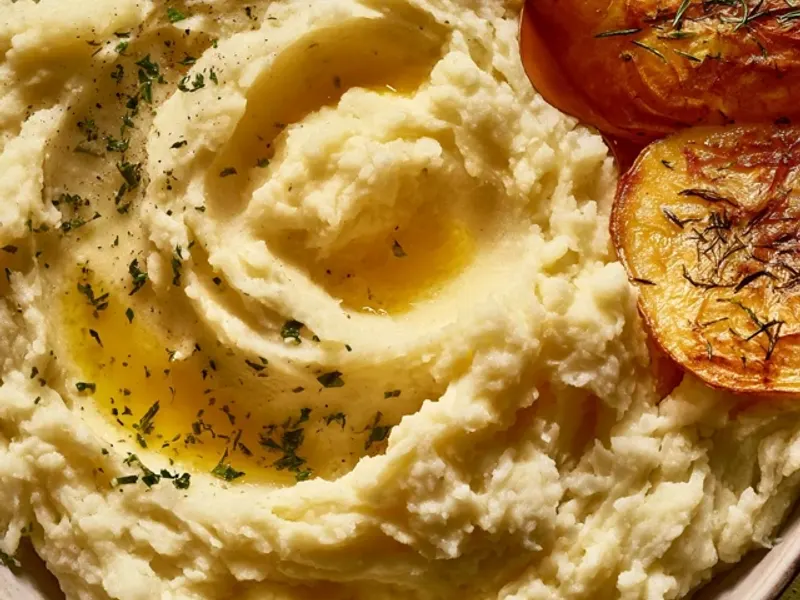
Soft Mashed Potatoes at Camp: Silky, No-Lumps Guide
There's a certain magic to soft mashed potatoes when you're sitting by a tent, the air cool and smelling of pine. The first spoonful is pure comfort—silky, buttery, and warm. But at camp, they can easily turn into a gluey mess or a lumpy disappointment. I've learned a few tricks that make the difference between a bowl you're proud of and one you hide in the bushes. Here's how to get that cloud-like texture every time, even on a two-burner stove.

Start with the Right Potato
Not all potatoes are created equal. For soft, fluffy mash, you want starchy varieties—Russets or Yukon Golds. They break down beautifully and absorb butter and milk like a sponge. Waxy potatoes, like red or new potatoes, hold their shape and turn sticky when mashed. If you only have waxy ones, you can still make them work, but you'll need to be extra gentle and use more liquid.
The Water Boil Trick
Boiling potatoes in water is the classic method, but the secret is to start them in cold water. Drop your peeled and quartered potatoes into a pot of cold, salted water, then bring it to a boil. This allows the potatoes to cook evenly from the outside in, preventing a hard center and a mushy exterior. Simmer, don't boil hard—a gentle bubble keeps them from breaking apart and absorbing too much water.
When they're fork-tender—about 15-20 minutes for quarters—drain them immediately. Here's a trick I swear by: let them sit in the colander for a couple of minutes. That steam carries away excess moisture, so your mash doesn't end up watery. Then, return the potatoes to the pot and place it back on the stove over low heat for a minute, shaking gently. This dries them out even more, which is the foundation for a fluffy texture.
Warm Your Dairy, Soften Your Butter
Cold milk is the enemy of smooth mash. It shocks the hot potatoes and makes them seize up. So, warm your milk or half-and-half before adding it. You can do this in a small saucepan on the camp stove, or simply place the sealed container near the fire for a few minutes. Do not boil it—just warm to the touch.
Butter should be softened, not straight from the cooler. Cut it into small pieces and let it sit in the sun or near the stove while the potatoes cook. Soft butter blends in more evenly, creating that luxurious mouthfeel.
The Mash: Gentle Does It
This is where many campers go wrong. They attack the potatoes with a whisk or an electric mixer (if they're car camping with power). Overworking releases too much starch, and you get a gluey, paste-like mess. Instead, use a potato masher or a sturdy fork. Use a folding motion—scoop from the bottom and turn over, pressing lightly. Stop as soon as the potatoes are smooth. A few small lumps are fine if you're going for rustic, but for truly soft, silky mash, keep mashing until no lumps remain, but no more than that.
If you have a potato ricer, this is the ultimate tool for camp. It gives you a perfectly smooth texture with zero effort. Just press the cooked potatoes through, then stir in the butter and warm milk gently.
Season Like You Mean It
Potatoes need salt. More than you think. Add a teaspoon to the cooking water, then season again after mashing. Taste and adjust. A pinch of white pepper adds a subtle warmth without black specks, but black pepper is fine too. For a camp twist, try a sprinkle of smoked salt or a handful of chopped chives if you have them.
Keeping Them Warm (and Safe)
Once your mash is perfect, you want to keep it that way while you finish the rest of dinner. Wrap the pot in a thick towel or an insulated cozy, then place it in a cooler lined with a warm water bottle. This will keep it hot for up to an hour. Do not leave it on a low flame unattended—it will scorch the bottom and ruin the flavor.
If you're cooking over a fire, keep the pot off the direct flames. Move it to the edge of the grate where the heat is gentler. And remember, never use a camp stove or heater inside a closed tent—carbon monoxide is a real risk. Cook outside, and keep your camping stove well away from tent walls.
Campfire Variations
If you have a Dutch oven, you can take this to the next level. After mashing, spread the potatoes in the Dutch oven, dot with extra butter, and cover. Place it on the coals with a few hot coals on the lid for 10 minutes. The top gets slightly golden and crispy, while the inside stays soft and dreamy. That's a campsite meal to remember.
The Takeaway
Soft mashed potatoes at camp are totally doable. Choose starchy potatoes, boil them gently in salted water, dry them out, and mash with warm dairy and soft butter. Go gentle, season boldly, and keep them warm the safe way. With these steps, you'll have a bowl of comfort that makes the tent feel like home.
Frequently Asked Questions
How do I keep mashed potatoes warm at camp?
Wrap the pot in a thick towel or an insulated cozy after mashing, then place it in a cooler lined with a warm water bottle. It will stay hot for up to an hour. Avoid leaving them on a low flame unattended—they can scorch.
Can I make soft mashed potatoes without a masher?
Yes. Use a sturdy fork, a potato ricer if you packed one, or even a clean, empty wine bottle as a rolling pin to press the potatoes through a colander. For the smoothest texture, push cooked potatoes through a mesh strainer with the back of a spoon.
What potatoes are best for soft, creamy mash?
Use starchy potatoes like Russets or Yukon Golds. They break down easily and absorb butter and milk well. Waxy red or new potatoes hold their shape and turn gluey if overworked, so avoid them for this dish.
Soft Mashed Potatoes at Camp: Silky, No-Lumps Guide

Creamy, lump-free mashed potatoes made on a camp stove or over a fire. This recipe uses a simple water boil and a gentle hand to achieve a silky texture that feels like comfort at home.
- 2 pounds Russet or Yukon Gold potatoes, peeled and quartered (about 4 medium potatoes)
- 1/2 cup whole milk or half-and-half (warm)
- 4 tablespoons unsalted butter, softened (cut into small pieces)
- 1 teaspoon salt (plus more to taste)
- 1/4 teaspoon black pepper (freshly ground)
- Fill a large pot with cold water and add the quartered potatoes. Bring to a boil over your camp stove or fire, then reduce to a simmer. Cook for 15-20 minutes until a knife slides in with no resistance.
- Drain the potatoes in a colander. Let them sit for 2 minutes to steam off excess moisture—this is key for a fluffy, not watery, mash.
- Return the potatoes to the pot and place back on the stove over low heat for 1 minute, shaking gently to dry them out. Remove from heat.
- Add the butter pieces and let them melt into the potatoes for a minute. Then pour in the warm milk and sprinkle with salt and pepper.
- Mash gently with a fork or potato masher, using a folding motion rather than vigorous stirring. Stop as soon as the mixture is smooth—overworking makes them gluey.
- Taste and adjust salt. Serve immediately, topped with extra butter if you like.
Recipe: Soft Mashed Potatoes at Camp: Silky, No-Lumps Guide
Ingredients
- 2 pounds Russet or Yukon Gold potatoes, peeled and quartered (about 4 medium potatoes)
- 1/2 cup whole milk or half-and-half (warm)
- 4 tablespoons unsalted butter, softened (cut into small pieces)
- 1 teaspoon salt (plus more to taste)
- 1/4 teaspoon black pepper (freshly ground)
Instructions
- Fill a large pot with cold water and add the quartered potatoes. Bring to a boil over your camp stove or fire, then reduce to a simmer. Cook for 15-20 minutes until a knife slides in with no resistance.
- Drain the potatoes in a colander. Let them sit for 2 minutes to steam off excess moisture—this is key for a fluffy, not watery, mash.
- Return the potatoes to the pot and place back on the stove over low heat for 1 minute, shaking gently to dry them out. Remove from heat.
- Add the butter pieces and let them melt into the potatoes for a minute. Then pour in the warm milk and sprinkle with salt and pepper.
- Mash gently with a fork or potato masher, using a folding motion rather than vigorous stirring. Stop as soon as the mixture is smooth—overworking makes them gluey.
- Taste and adjust salt. Serve immediately, topped with extra butter if you like.