
There’s a particular quiet that comes with a perfectly cooked soft scrambled egg. Not the sizzle of a hot pan, not the frantic scramble of a busy morning. Just a slow, gentle coming together. For anyone who finds texture a daily negotiation—the rubbery edge, the unexpected dry crumb—this method is a small act of care. No loud heat, no rushing. Just eggs, water, and patience.
Why Texture Matters Here
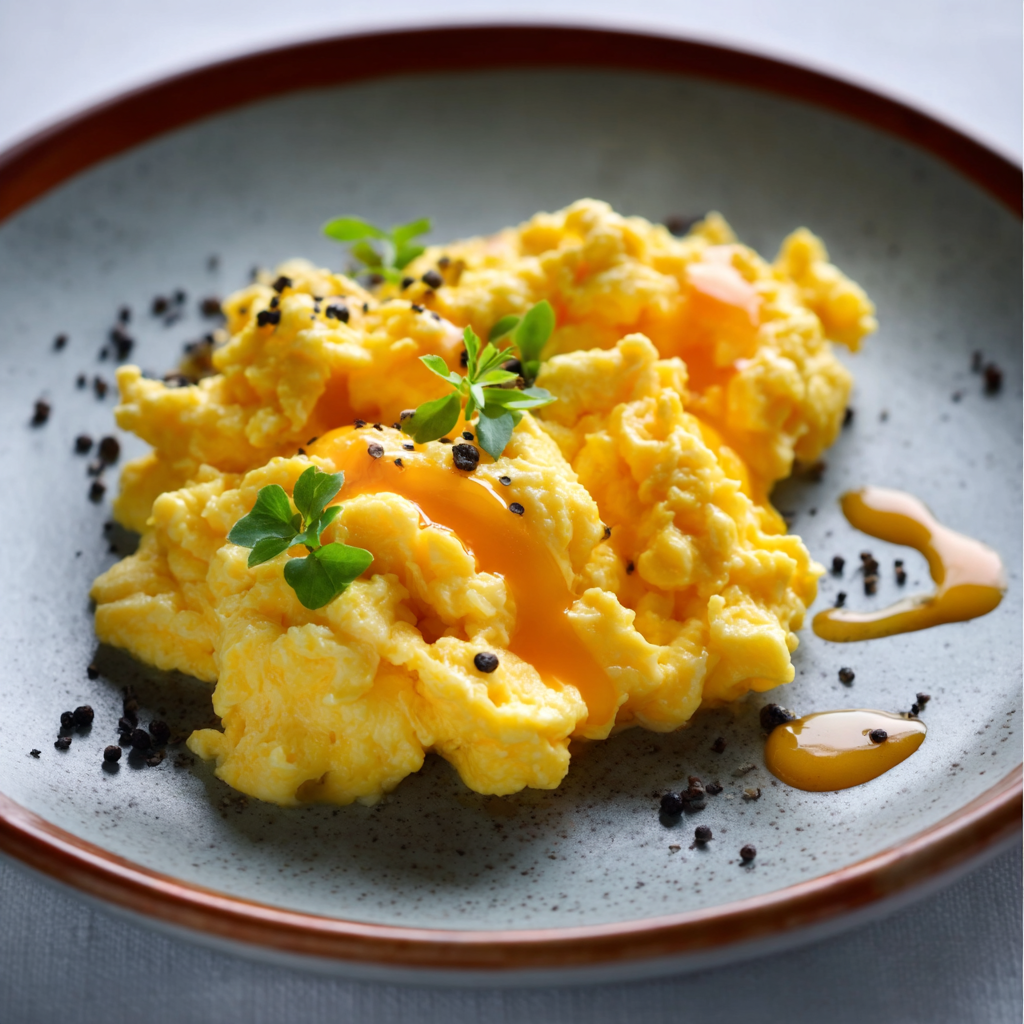
Most scrambled egg recipes scream for high heat and constant motion. The result? Tough, curdled proteins that can feel like little sponges on the tongue. For sensory-sensitive eaters, that texture is a wall. This version uses a double boiler—a bowl over simmering water—to cook the eggs slowly and evenly. The proteins coagulate gently, creating a silky custard rather than a rubbery scramble. The mouthfeel is smooth, almost creamy, without any grit or dryness.
The Ratio That Works
Four large eggs to two tablespoons of cold water. That’s the sweet spot. Too much water and the eggs become watery; too little and they firm up too fast. The water creates steam as it heats, which lifts the eggs into soft, tender curds. Salt goes in at the beginning—it helps break down the proteins for a more uniform texture. A tiny pinch, about 1/8 teaspoon, is enough. White pepper is optional, but it adds a gentle warmth without the speckles that black pepper leaves.
Step by Step: The Gentle Method
Start with a small saucepan filled with about an inch of water. Bring it to a gentle simmer—small bubbles, not a rolling boil. While that heats, whisk the eggs, water, and salt in a heatproof bowl until the mixture is uniform and slightly frothy. No streaks of white or yolk. This even base is key for consistent curds.
Set the bowl over the simmering water. The bowl should not touch the water; you want steam, not direct heat. Stir constantly with a silicone spatula, scraping the bottom and sides every few seconds. At first, the eggs will look like a thin, pale custard. Don’t panic. Keep stirring.
After about four minutes, you’ll see tiny curds forming. They’ll look soft and almost fragile. Keep the spatula moving. At six to seven minutes, the curds will be tender and glossy, with a few creamy patches. The eggs should still look slightly wet—not dry or firm. Remove the bowl from the heat immediately. Stir for another thirty seconds; the residual heat will finish the cooking. For an ultra-smooth texture, press the eggs through a fine-mesh sieve. This step is optional but transforms the texture into something almost velvety.
Common Mistake to Avoid
Walking away. Even for thirty seconds. The eggs cook fast once they start setting, and a moment of distraction can turn silky curds into dry clumps. Stay with the bowl, keep the spatula moving, and watch for that glossy, wet look. That’s your cue to stop.
Serving and Storing
Serve the eggs on a warm plate. A cold dish will shock the curds and make them firm up faster than you’d like. Eat immediately—soft scrambled eggs don’t reheat well. If you have leftovers, store them in the fridge for up to one day, but know that the texture will change. They’ll be denser and less creamy. For the best experience, make only what you’ll eat in one sitting.
This content is for informational purposes only and does not constitute medical advice. Always consult a qualified professional for personal dietary decisions.
Frequently Asked Questions
Why use a double boiler for scrambled eggs?
A double boiler gives you gentle, even heat that prevents the eggs from seizing or turning rubbery. It’s the most reliable way to achieve a consistently soft, custard-like texture without hot spots.
Can I use milk instead of water?
Yes, but water creates a lighter, fluffier texture because it steams as it heats. Milk adds richness but can make the eggs slightly denser. For a sensory-friendly version, stick with water or a small pat of butter.
How do I know when soft scrambled eggs are done?
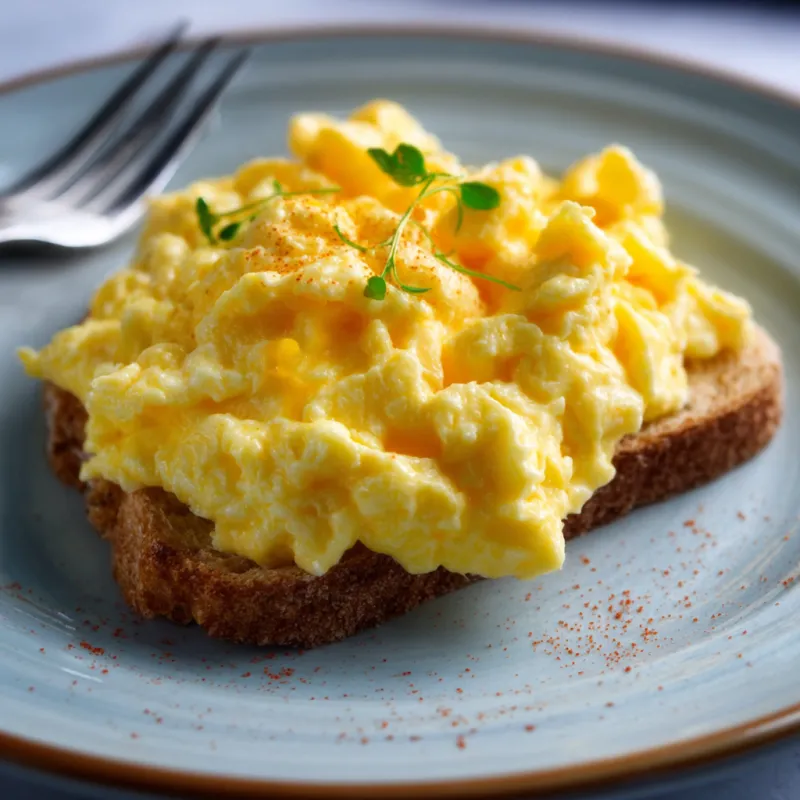
Look for small, tender curds that hold their shape but still look glossy and slightly wet. The eggs should not be dry or crumbly. Remove from heat while they still look a bit underdone—they’ll finish cooking with residual heat.
Sensory-Safe Soft Scrambled Eggs
Ingredients
Equipment
Method
- Fill a small saucepan with 1 inch of water. Bring to a gentle simmer over medium-low heat.
- In a small heatproof bowl, whisk the eggs, cold water, and salt until the yolks and whites are fully combined and slightly frothy. No streaks.
- Set the bowl over the simmering water, ensuring the bottom does not touch the water. This is your gentle double boiler.
- Stir constantly with a silicone spatula, scraping the bottom and sides every few seconds. The eggs will look like a thin custard at first.
- After about 4 minutes, you'll see small, soft curds forming. Keep stirring—do not walk away.
- At 6-7 minutes, the curds will be tender and glossy, with a few creamy patches. The eggs should still look slightly wet, not dry.
- Remove the bowl from the heat immediately. Stir for another 30 seconds—the residual heat will finish cooking them.
- If desired, press through a fine-mesh sieve for an ultra-smooth texture. Serve at once.